Hello Guest,

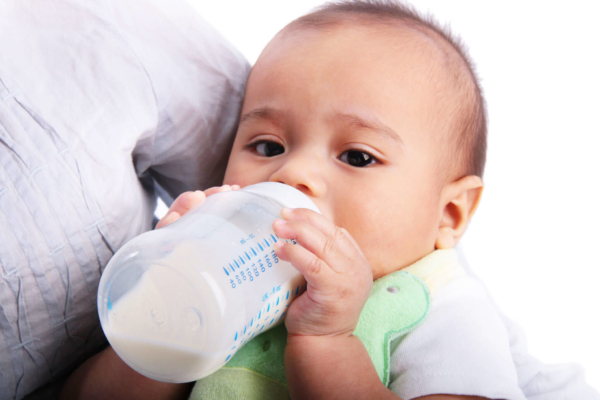
Scientists have found a new way to help make infant formula safer. The industry has faced challenges with a harmful bacterium called Cronobacter sakazakii. It can survive for long periods in dry places, including powdered formula. When it touches water, it becomes active again. In rare cases, it can make infants very sick, including causing meningitis.
A research team led by Professor Sangryeol Ryu from Seoul National University has discovered a promising solution. In a study published in Applied and Environmental Microbiology, the team identified a bacteriophage called CR5. A bacteriophage is a virus that attacks specific bacteria.
In the study, the researchers added the CR5 phage to formula that had been contaminated with C. sakazakii. After ten hours, the harmful bacterium was no longer detectable. The phage also worked against other Cronobacter species linked to disease.
This discovery is still early, but it offers hope for the infant formula industry. Outbreaks are rare, yet they carry high risks. They also cost companies millions each year in testing and prevention. A targeted tool like CR5 may one day help reduce those risks and improve product safety.
